
The best way to protect your patio from weather damage is to install protective structures such as patio covers or pergolas. Installing a patio cover or pergola protects your patio by reducing the amount of sunlight, moisture, and other damaging elements to which your patio is exposed throughout the year.
Whether your home experiences heavy rain, snow, coastal humidity, or intense summer heat, taking preventive steps can extend your patio’s lifespan, reduce maintenance costs, and keep your outdoor living space looking its best for years.
Weather damage occurs gradually as moisture, sunlight, temperature fluctuations, and debris wear down patio materials. But you can minimize that damage with the right upgrades and regular maintenance.
What Causes Weather Damage to Patios?
Different climates create different challenges, but all patios face some level of environmental wear. Depending on where your home is, your patio could be exposed to one or all of these extreme weather conditions:
Heavy Rain and Standing Water
Water that pools on a patio can seep into concrete, pavers, or natural stone. That causes stains, mold growth, and surface deterioration. Standing water can also wash away the base material beneath the pavers, causing sections of the patio to shift or sink over time.
In colder climates, when temperatures drop below freezing, water can cause cracks. When more water gets into those cracks and freezes, it can cause them to widen each time they freeze and thaw.
Snow, Ice, and Freeze-Thaw Cycles
Snow and ice can keep moisture on the surface for extended periods, increasing the likelihood of cracking. Repeated freeze-thaw cycles cause concrete and stone to expand and contract, which weakens the patio.
Ice removal can also contribute to damage if harsh deicing chemicals are used. Some chemical ice melting products can damage concrete, brick, or stone. Shovels and snowblowers can also cause damage.
Extreme Heat
Hot conditions can also damage patios. Constant ultraviolet exposure gradually fades colored concrete, stains, decorative finishes, and outdoor furniture. Direct sun exposure affects the long-term durability of patio materials, and prolonged heat exposure dries out sealants and protective coatings.
Coastal Moisture and Salt Air
Living near the coast exposes patios to humidity, salt, moisture, and strong winds. Salt air accelerates corrosion on metal components while constant moisture encourages mildew and algae growth. Over time, these conditions can shorten the lifespan of outdoor furniture, railings, hardware, and decorative finishes if they are not designed for coastal environments.
How Can Patio Covers Help Protect a Patio?
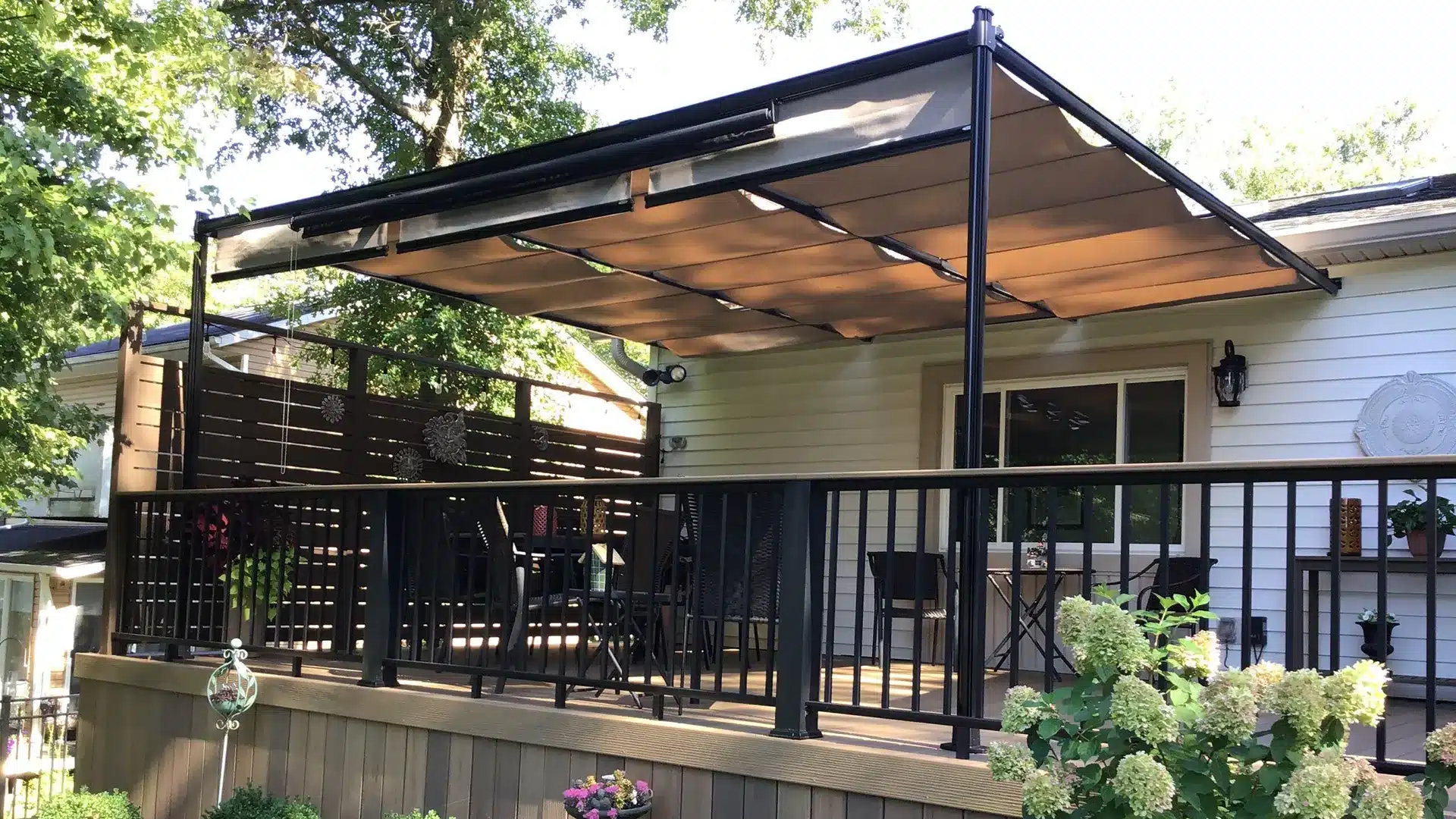
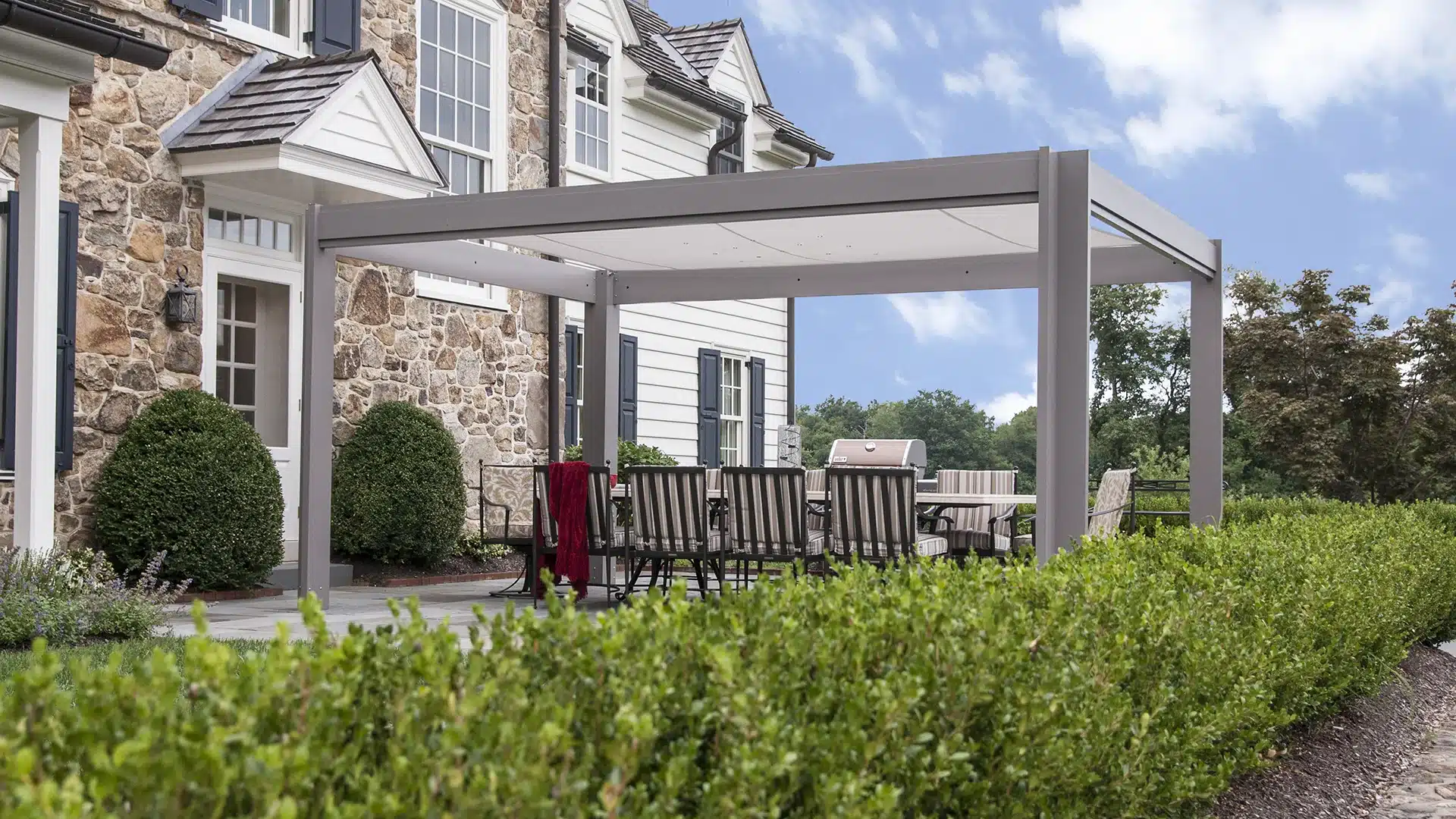
A patio cover is a great way to protect your patio from environmental damage. A patio cover reduces wear from rain, snow, and sunlight by minimizing the amount of direct sunlight your patio receives. And it also keeps moisture off the patio, preventing cracks and damage to railings, sealants, and other components.
Less water means fewer stains, less moisture absorption, and a lower chance of mold or mildew developing. In snowy climates, patio covers help keep snow from accumulating directly on the patio, reducing moisture exposure during the winter months.
In warmer climates, a patio cover blocks much of the sun’s ultraviolet radiation, helping preserve decorative finishes while making the patio significantly cooler and more comfortable to use.
A covered patio also protects outdoor furniture, grills, outdoor kitchens, rugs, and décor from constant exposure to the elements, reducing cleaning and replacement costs over time.
Can Pergolas Help Prevent Weather Damage?
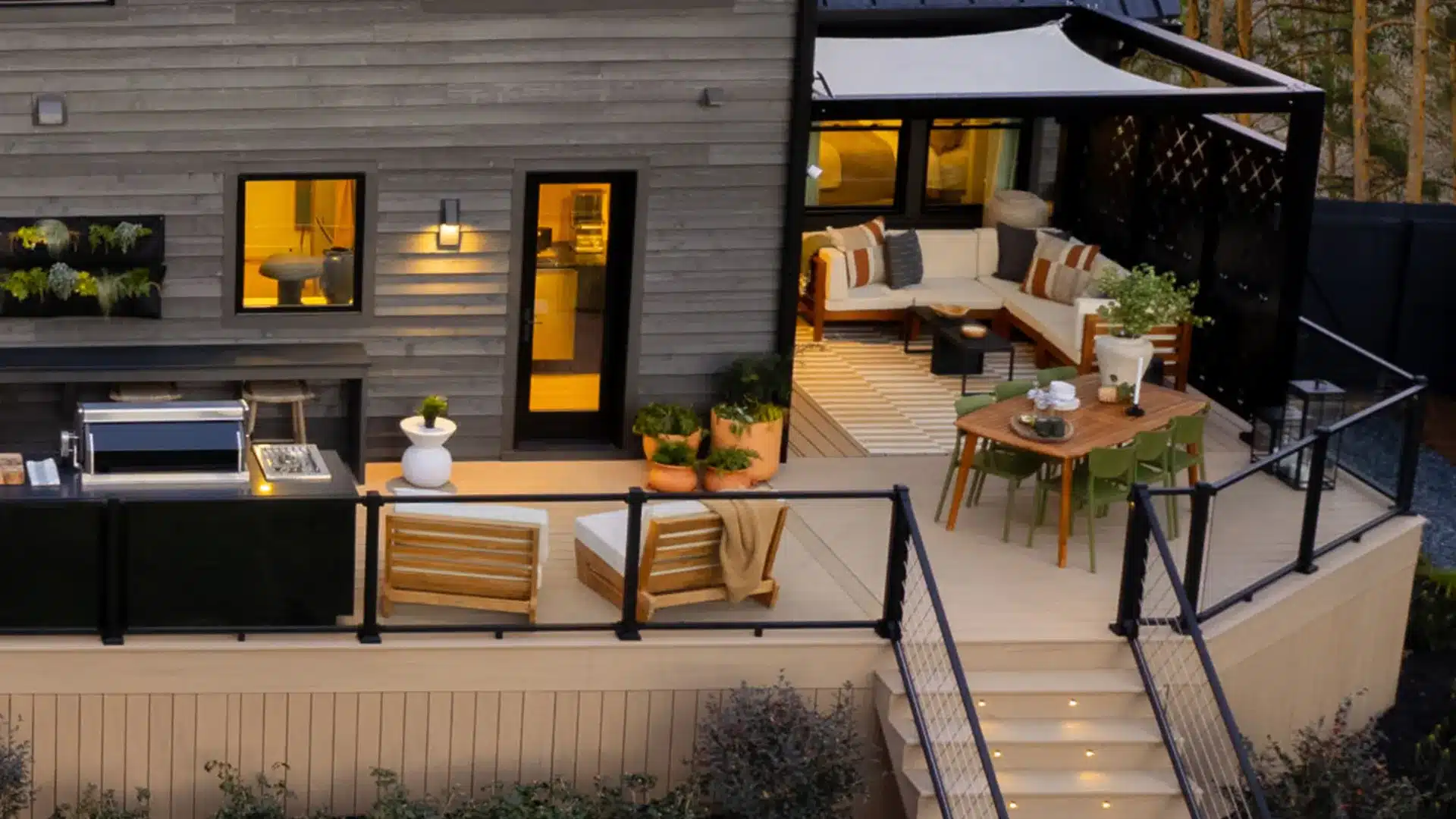
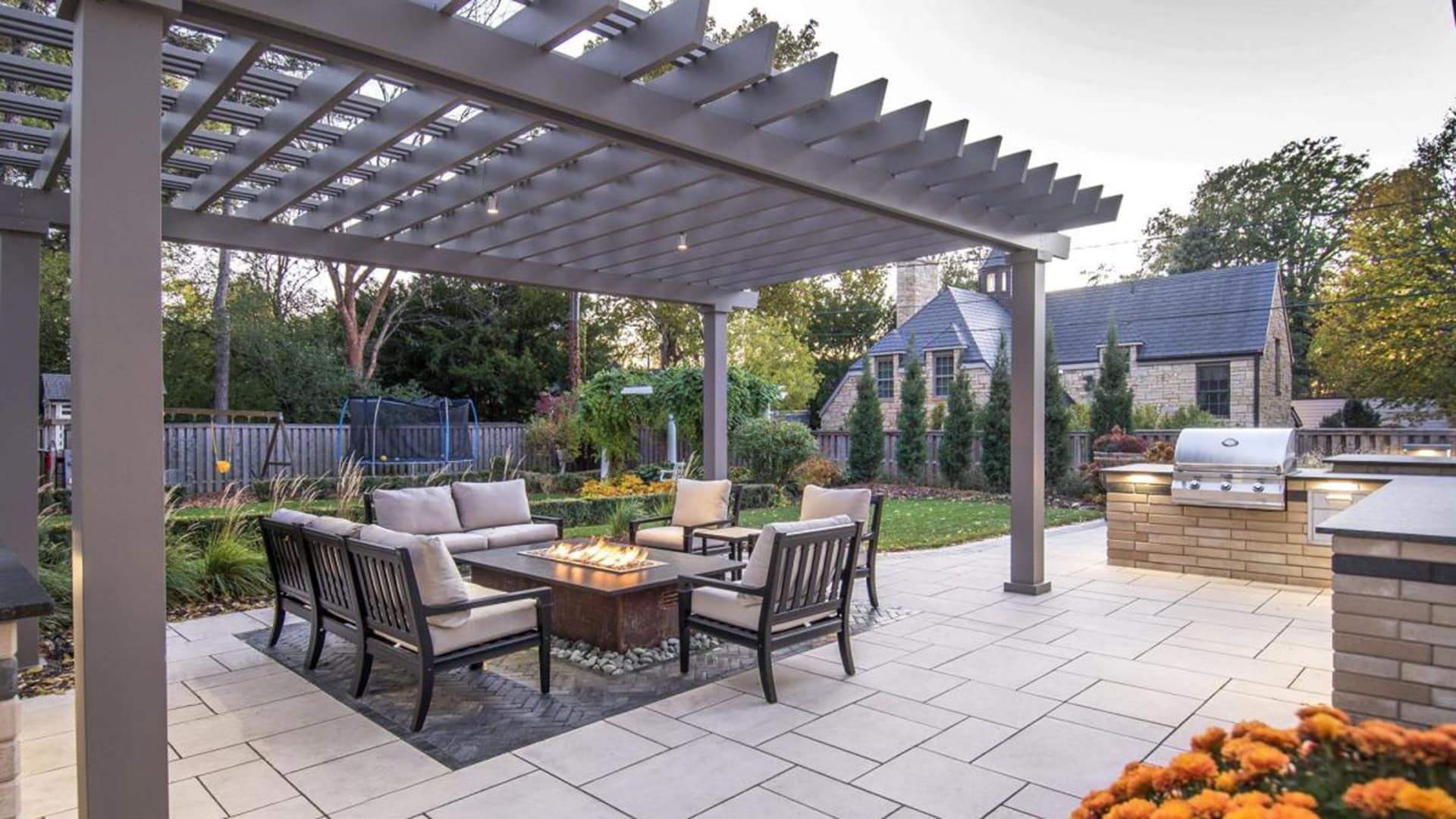
Pergolas offer many of the same benefits as patio covers and create an open, inviting outdoor living space. Traditional pergolas provide partial shade rather than complete sun protection, but they still reduce the amount of direct sunlight reaching the patio.
Less direct sunlight helps minimize UV damage, keeps surfaces cooler, and improves comfort throughout the summer. Aluminum pergolas are particularly popular because they resist rust, require very little maintenance, and perform well in humid, snowy, and coastal climates.
Aluminum pergolas with adjustable louvers or retractable canopies provide customizable protection without making your patio feel too closed in. Homeowners can open the roof to enjoy sunshine on pleasant days or close it during rain to help protect the patio below.
You can also use outdoor shades and privacy screens with pergolas and patio covers to provide additional protection for your patio.
How Does Proper Drainage Protect a Patio?
Proper patio drainage helps move water away from both the patio surface and the home’s foundation. Ideally, patios should be installed with a slight slope that directs rainwater away from the house.
Additional drainage features, such as French drains, drainage channels, or permeable pavers, can also help prevent standing water from collecting and damaging the patio. Good drainage protects the patio from damage and helps prevent soil erosion and foundation problems around the home.
What Maintenance Helps Prevent Weather Damage?
Performing routine maintenance is the best way to prevent patio damage from the weather over time. Sweep away leaves, dirt, and organic debris regularly to prevent stains and reduce moisture retention. Clean mold, mildew, or algae before they become established, especially in shaded or humid areas.
Inspect the patio each season for small cracks or loose pavers. Addressing minor problems early prevents larger repairs later.
Concrete and natural stone patios should be resealed according to the manufacturer’s recommendations to maintain their protective barrier against moisture and UV exposure.
During the winter, remove snow promptly using a plastic snow shovel whenever possible. Plastic blades are less likely to scratch decorative surfaces than metal ones. When ice removal is necessary, choose products labeled safe for concrete and masonry to avoid unnecessary surface damage.
How Can You Protect Patio Furniture and Outdoor Living Areas?
Patio furniture and décor can be expensive, and you should perform routine maintenance to protect them and your patio.
Choose outdoor furniture made from weather-resistant materials such as aluminum, teak, composite, or all-weather wicker. Use protective covers during extended periods of rain or snow, and store cushions indoors whenever practical
Outdoor rugs made with UV-resistant synthetic fibers resist fading and dry more quickly after storms. Decorative pillows and fabrics labeled for outdoor use also withstand moisture and sunlight much better than indoor materials.
Keeping outdoor items under a patio cover or a roofed pergola can protect them from extreme weather, long-term sun damage, and snow or rain.
How Do I Protect My Patio From Heavy Rain?
The best way to protect your patio from heavy rain is to install a patio cover that keeps rain off your patio and outdoor furniture. You should also make sure your patio has proper drainage to prevent standing water from causing damage. Regularly sealing the patio can help prevent moisture absorption, cracking, and other problems.
Will a Pergola Protect My Patio From The Weather?
A traditional pergola provides shade and reduces UV exposure, while pergolas equipped with retractable canopies or adjustable louvers offer additional protection from rain and light snow. A pergola with a roof or retractable canopy can protect your patio from sun, rain, and snow.
Should I Seal My Concrete Patio?
Yes, you should regularly seal a concrete patio to protect it from the elements. Applying a quality concrete sealer helps reduce water absorption, staining, UV damage, and freeze-thaw cracking, especially in regions with frequent rain or cold winters.
What Is The Best Way to Protect a Patio In Snowy or Coastal Climates?
The best approach combines durable, weather-resistant materials, proper drainage, regular maintenance, and protective structures, such as aluminum patio covers or pergolas, that minimize exposure to moisture, salt air, snow, and intense sunlight.
Protect Your Patio Before Weather Causes Costly Damage
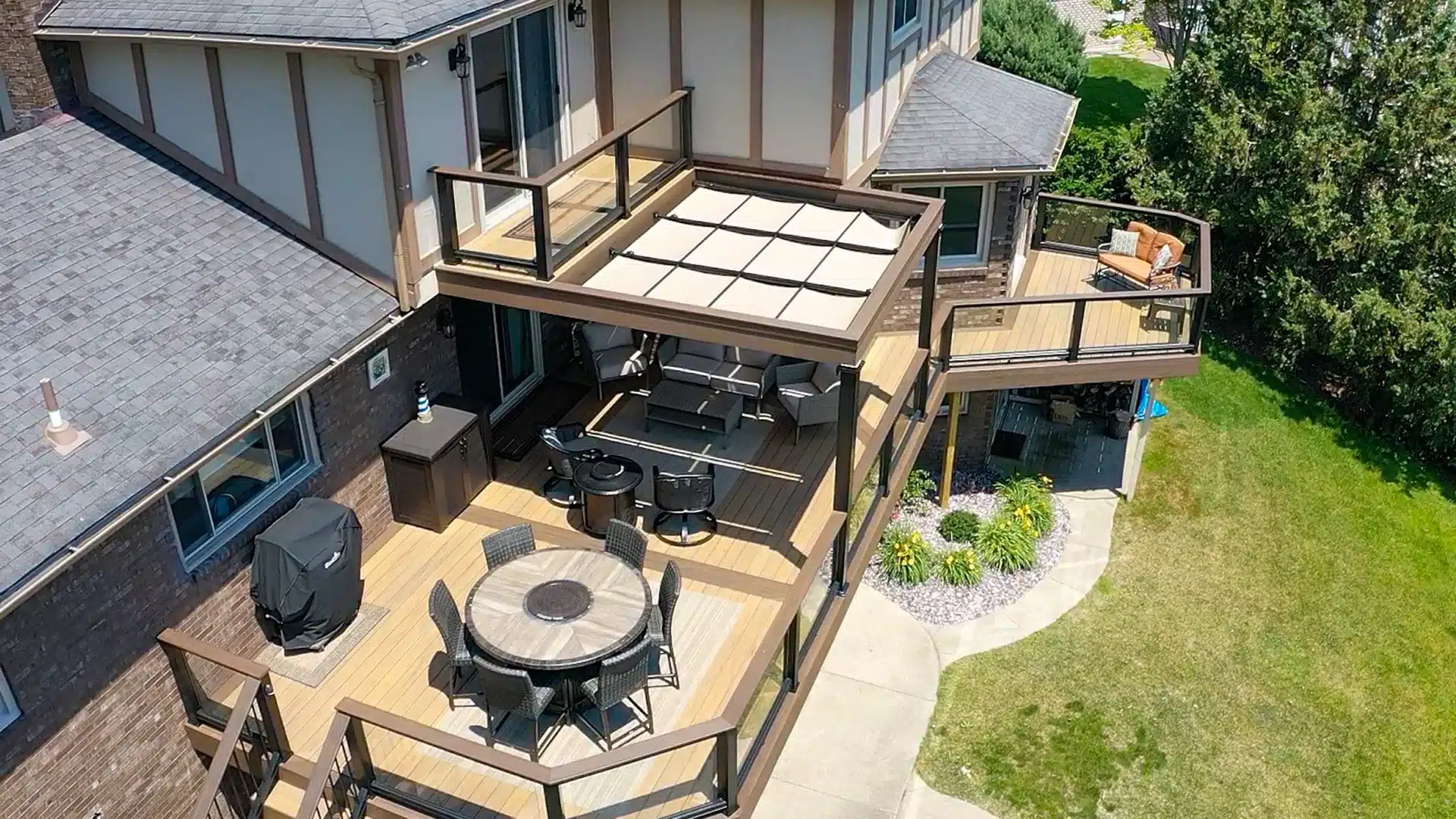
Weather is unavoidable, but you can avoid patio damage caused by weather. By combining durable materials, proper drainage, seasonal maintenance, and protective structures like patio covers and pergolas, homeowners can dramatically reduce weather-related damage while creating a more comfortable outdoor living space.
To find patio covers and pergolas that fit your personal style and your home’s architecture, browse available products. Or, find a Shadeflex Pro in your area who can help you find the perfect patio cover and install it to get your patio protected before the extreme weather starts.
Categories
Recent Posts
Sep. 18, 2026
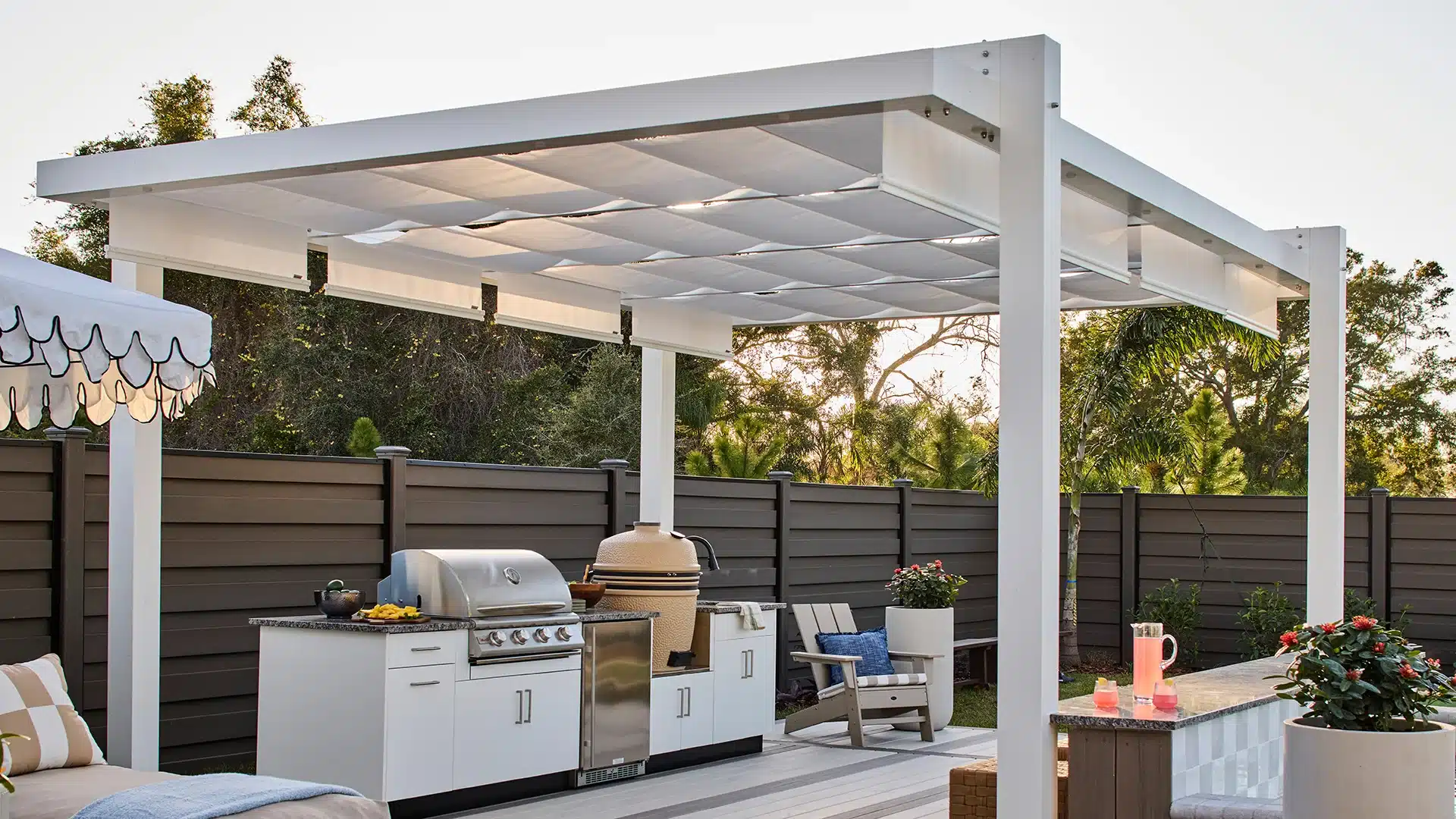
Don’t Forget About Shade Planning an Outdoor Kitchen
Sep. 11, 2026
Creating the Perfect Outdoor Dining Space for Family Gatherings

Sep. 04, 2026
How a Covered Patio Can Extend Your Outdoor Season
Aug. 28, 2026
How to Design a Backyard Retreat for Relaxation and Wellness
Aug. 21, 2026